

In the Realm of Passion
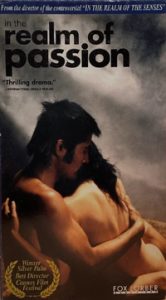
Director Nagisha Oshima’s follow-up to his controversial film In the Realm of the Senses continues to explore the link between sexual obsession and madness. In a small Japanese village, a young layabout named Toyoji seduces a middle-aged married woman named Seki. After they develop a highly charged and passionate affair, he convinces her to help him murder her husband, a rickshaw driver named Gisaburo, but not everything goes as planned. Despite their successful murder and cover-up, the ghost of Gisaburo returns not only to torment Seki but to reach out to friends and family through their dreams. Despite its slow pace and some melodrama, In the Realm of Passion maintains its mystique through Oshima’s artful direction and Yoshio Miyajima’s dreamlike cinematography. They set up scene after moody scene in which the couple struggles with guilt, fear, paranoia, and the knowledge that, because of their crime, they may never be able to truly be together.
With an arresting mix of eroticism and horror, Oshima plunges the viewer into a nightmarish tale of guilt and retribution In the Realm of Passion. Set in a Japanese village at the end of the nineteenth century, the film details the emotional and physical downfall of a married woman and her younger lover following their decision to murder her husband and dump his body in a well. In the Realm of Passion was Oshima’s only true kaidan (Japanese ghost story), and the film, a savage, unrelenting experience, earned him the best director award at the Cannes Film Festival.