

The Castle of Sand
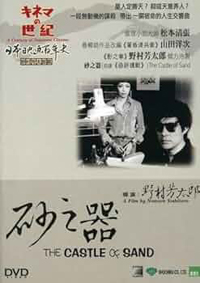
Two detectives are assigned to investigate the murder of a 60-year-old policeman at the Tokyo Railway Station. The victim is well-liked and benevolent and there does not seem to be any motivation for the murder. A further investigation finally leads to the discovery of the hidden past of a young composer. The original novel by Matsumoto Seicho on which the film is based has been a bestseller in Japan. The adaption by Yamada Yoji (of the Tora-san series fame) and director Nomura Toshitaro skillfully incorporates the elements of melodrama, suspense and thriller to form a tightly structured human drama about someone who attempts to escape from his past but fails.
As in most countries, movies in Japan had often depicted police and criminals. However, the modern police procedural was still a very new idea in the seventies, with Castle of Sand possibly the first Japanese movie to follow a case from the police point of view in a step-by-step investigation process such as might actually have been followed by real policemen. Even within that new approach, the mystery as such is given away to the audience long before it is to the policemen, so the suspense becomes not Whodunit but Why on Earth did he do it?, a question not fully answered even after the arrest. Before we are done, we have another in the long genre of Japanese movies that suggest “no good deed goes unpunished,” for the victim had been killed while trying to convince the killer to visit his ill father.