

The Most Beautiful
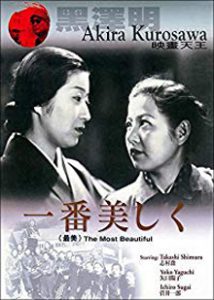
As World War II is raging overseas, Japan’s domestic industry needs to increase its productivity. At an optics factory, the output target for male workers is increased by 100%, while female workers are asked to increase theirs by 50%. Offended that so much less is expected of them than of the men, the women, led by the industrious Tsuru Watanabe, ask for their target increase to be set to 66%.
Meeting this new quota is not easy. In addition to having to work harder, the women face serious challenges in the form of illnesses, injury and personal hardship. Boosting morale becomes as important as staying healthy, especially when Japan begins to lose key battles in the Pacific during the winter of 1943-44. When the dorm mother who oversees the girls’ well being leaves to arrange the return of one of the girls who had gotten ill, a fight soon breaks out, threatening unity and the chance to meet the new production quotas.
Watanabe, distracted by having to act as the leader and the mediator in the situation, makes a mistake in her work by misplacing an unfinished lens. Concerned that the defective part would end up on the frontlines and cause the death of soldiers, Watanabe goes to great lengths to find the missing piece. In the end she manages to correct her mistake.
The film ends with morale on the rise again and with 15 days of the emergency production quota period remaining. News arrive that Watanabe’s mother has passed away, and the company has arranged for her to visit her father. But Watanabe refuses, saying that her mother would never want her to leave her duties.